


Refugees in Ethiopia: Hospitality and Hope Amidst Global Indifference

Brother Johannes Maertens of London Catholic Worker undertook a pilgrimage for a month to Ethiopia, where he visited Jesuit Refugee Services Ethiopia — this report bears witness to their work of hospitality and hope amidst hardship.
Refugees in Ethiopia: Hospitality and Hope Amidst Global Indifference
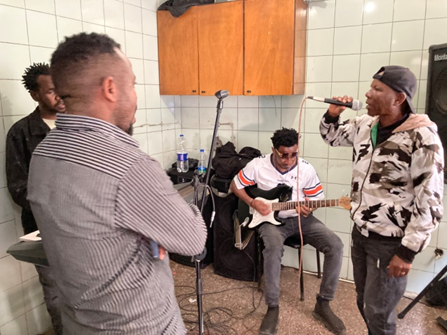
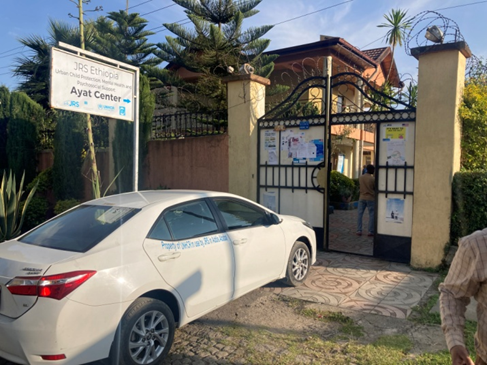
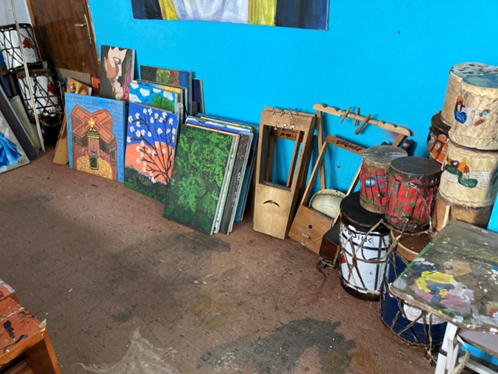
When I arrived at the Jesuit Refugee Services (JRS) office in Addis Ababa, welcomed by country manager Solomon Brahane, I was struck by its scale and vitality. Behind the large metal gate in a quiet residential area, the organisation has a welcoming community center that embodies hospitality, in a city with more than 75,000 refugees. JRS runs three Refugee Community Centres in the capital: two in the Kirkos district and one in Ayat, 28 kilometres away. These centres are warm welcoming places, filled with the chatter, children laughing, traditional dance, and music. In one centre, young women recorded their traditional dance on a phone in the courtyard, in a small room young men played drum, guitars and sang. In another center young boys played football in the courtyard.
Refugees in Ethiopia — Some Key Facts (2025) Total refugees & asylum seekers: 1.09 million (1,015,800 refugees + 78,580 asylum seekers) Main countries of origin: • South Sudan: 41% • Somalia: 33% • Eritrea: 17% • Sudan: 8% Demographics: • 52% children (0–17 years) • 45% adults (18–59 years) • 3% elderly (60+) • 77% women & children combined Internally displaced persons (IDPs): 1.9 million, with an additional 2.8 million returnees Urban refugees: About 8% live in cities such as Addis Ababa and Mekele |
The Refugee Reality in Ethiopia
Ethiopia is the third-largest refugee-hosting country in Africa, with around one million refugees, most from neighbouring Eritrea, but also from Somalia, and South Sudan. Addis Ababa alone shelters thousands, though some refugees will move on to Uganda or further afield in search of freedom and opportunity. Like Europe, Ethiopia is a crossroads where displaced people seek not only safety but the chance to rebuild their lives.
Nearly half of Ethiopia’s population already lives below the poverty line. Conflict, inflation, and climate shocks have reversed years of progress, with poverty projected to reach 43% in 2025. Beyond income, 72% of Ethiopians face multidimensional poverty, lacking access to healthcare, education, and housing. Rural areas are hardest hit, but rising costs also strain urban families.
The JRS Refugee Community Centres respond with four main areas of work:
Child Protection
Child Protection Officers and psychologists care for traumatised children, train foster parents, and provide safeguarding. At times, up to 3,000 unaccompanied children have been in their care. Foster families, often refugees themselves, receive only a very modest stipend - barely enough for cooking oil - yet they volunteer out of care.
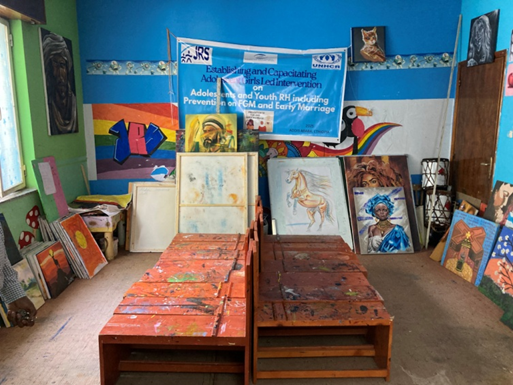
Mental Health and Psychosocial Support
Counselling, suicide prevention, and hospital referrals are offered, with volunteers accompanying patients even to psychiatric care.
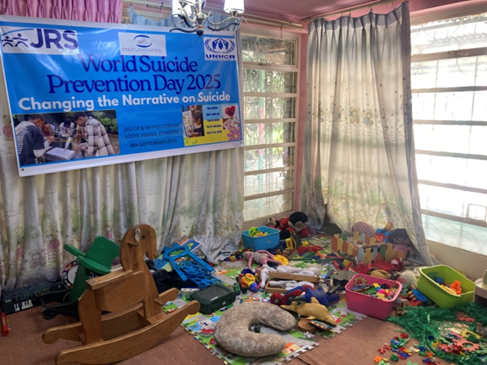
Education and Livelihoods
Refugees learn languages, computer skills, and even university-level courses online. Vocational training ranges from hairdressing to solar panel installation, with partnerships through Don Bosco and religious sisters. Graduates are connected to employers, and microfinance loans help launch small businesses.

Reconciliation and Peacebuilding
Dialogue sessions foster social cohesion between refugees and host communities, especially in resource-scarce regions near Somalia. Gender-based violence prevention and monthly interventions strengthen fragile bonds of trust. In 2024 alone, JRS Ethiopia reached 26,000 refugees across its centres. Outside the capital JRS works in Dollo Ado, Jijiga, and Shire, and accompanies refugees across the country with centres of education, protection, and peacebuilding.
The Shadow of International Aid Cuts
Yet this extraordinary work is imperilled. Cuts in international development budgets - particularly from western governments - have forced JRS to halve staff in some areas. International budget were terminated abruptly by the Trump administration, leaving volunteers and remaining staff to shoulder the burden. JRS USA stepped in with three months budget cover. These cuts mean fewer counsellors for traumatised children, fewer hands to accompany refugees in their struggle for dignity. As one person told me, “Budget cuts harm the most vulnerable in the world.” Cuts in development budgets in western countries mean cuts in real human lives and security.
Still, amidst this hardship, the staff remain resilient. At the main office, I saw them laughing over a game of pool during the lunch break - a small act of care for the carers. Their dedication rooted in faith and solidarity.
A Call to Solidarity
The witness of JRS Ethiopia is clear: accompaniment transforms lives. Refugees are not statistics but neighbours, children, and friends. Their laughter, their music, their resilience testify to the human spirit’s refusal to be crushed. As western governments retreat from their responsibilities, the question falls to us: will we stand with refugees in the world and with JRS Ethiopia? In Addis Ababa, I saw hope alive in the midst of hardship. That hope must not be abandoned.


